In the realm of online strategy, efficiency hinges on precise metrics and informed decisions. Identifying key performance indicators, such as conversion rates, can illuminate visitor engagement levels. Automation tools serve to enhance operational accuracy and speed. Meanwhile, audience segmentation allows for content personalization, fostering deeper customer connections. Yet, the true potential lies in data analytics—understanding its role could revolutionize strategic outcomes. What insights might emerge when these elements converge effectively?
Identify Key Metrics for Online Efficiency
How can organizations effectively measure their online efficiency?
By identifying key performance metrics, they can gain insights into their digital presence.
Conversion rates stand out as a crucial indicator, reflecting how effectively visitors engage and take desired actions.
Monitoring these metrics empowers organizations to refine strategies, enhance user experience, and ultimately achieve greater freedom in reaching their goals, fostering growth in a competitive landscape.
Use Automation Tools to Streamline Operations
To enhance online efficiency further, organizations can leverage automation tools that streamline operations and reduce manual workload.
By implementing such tools, companies can experience significant automation benefits, including improved accuracy and faster processing times.
This approach fosters workflow optimization, allowing teams to focus on strategic tasks and innovation, ultimately granting them the freedom to pursue growth and enhance overall organizational performance.
Boost Customer Engagement With Targeted Strategies
What strategies can organizations employ to genuinely enhance customer engagement?
By leveraging audience segmentation, businesses can create personalized content that resonates deeply with specific groups. This tailored approach fosters genuine connections, encouraging interaction and loyalty.
Implementing targeted strategies not only elevates the customer experience but also empowers brands to communicate more effectively, ultimately driving higher engagement rates and reinforcing a sense of community.
How to Use Data Analytics for Smarter Decisions?
While many organizations recognize the value of data analytics, few truly harness its potential to drive informed decision-making.
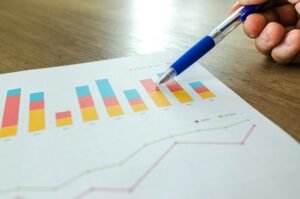
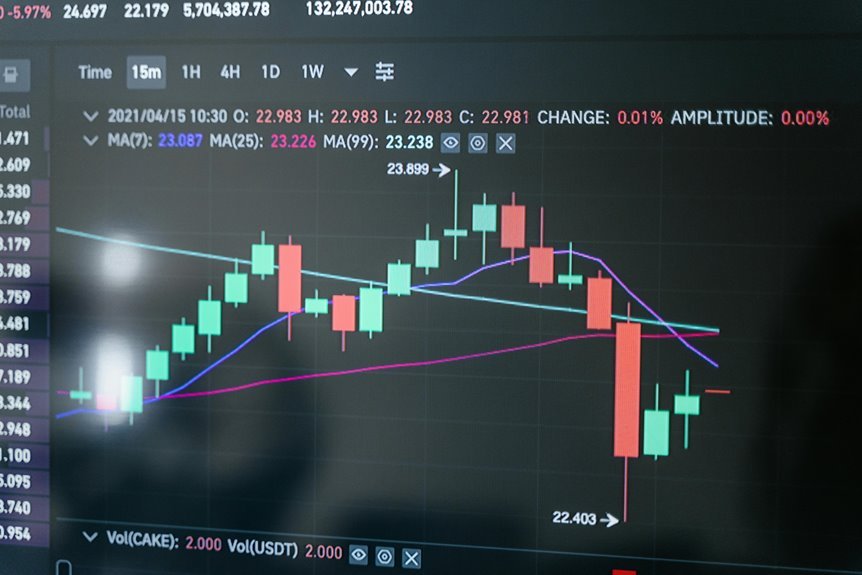
By utilizing data visualization techniques, leaders can distill complex information into actionable insights.
Predictive modeling further enhances this process, allowing businesses to forecast trends and customer behaviors.
Embracing these tools empowers organizations to make smarter, data-driven decisions that foster growth and operational freedom.
Conclusion
In the ever-evolving digital landscape, the theory of optimization rests on the pillars of metrics, automation, and data analytics. As a skilled navigator charts a course through uncharted waters, businesses must harness these tools to illuminate their path. By embracing targeted strategies and refining their approach, they can transform fleeting visitor interactions into lasting customer relationships. Ultimately, the fusion of technology and insight creates a powerful engine for growth, propelling brands toward enhanced engagement and unparalleled success.